
Boat Insurance in Melbourne, FL — Coverage for Brevard County's Waterways
Brevard County has more registered boats per capita than almost anywhere else in Florida. Between the Indian River Lagoon, the Banana River, the Intracoastal Waterway, and Atlantic access through Port Canaveral, boating here isn't a seasonal hobby — it's a way of life. That also means your boat is a real asset that needs real coverage, not an afterthought on your homeowners policy.
As an independent insurance agency based in Viera, we've been helping Brevard County boaters find the right marine coverage since 1978. We shop across multiple carriers to find policies that fit how you actually use your boat — whether that's a center console fishing boat on the lagoon, a pontoon on the Banana River, or a larger vessel making offshore runs.
What Boat Insurance Covers — and Why Your Homeowners Policy Isn't Enough
Most standard
homeowners policies include very limited watercraft coverage — typically small boats under a certain horsepower or value threshold, and only for basic perils. Once you're past that threshold, you're uninsured on the water unless you have a separate marine policy. That gap is larger than most boat owners realize.
A dedicated boat insurance policy typically covers:
- Physical damage: Repairs or replacement of your boat, motor, and trailer after a covered loss — collision, fire, theft, or storm damage.
- Liability: Covers bodily injury or property damage you cause to others on the water.
- Uninsured boater coverage: Protects you if you're struck by a boater without insurance.
- Medical payments: Covers injuries to you or your passengers regardless of fault.
- Towing and assistance: On-water towing, fuel delivery, and emergency assistance.
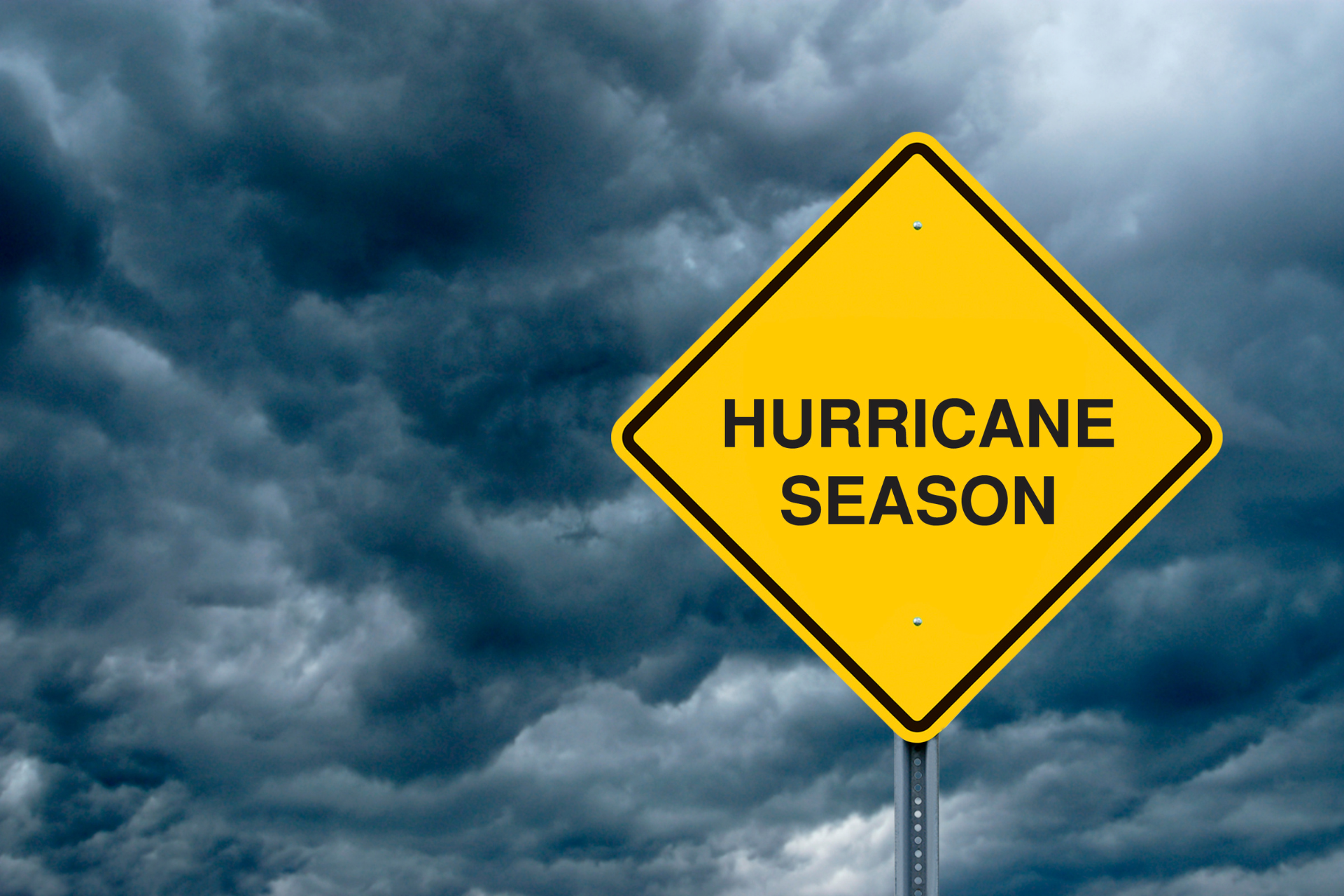
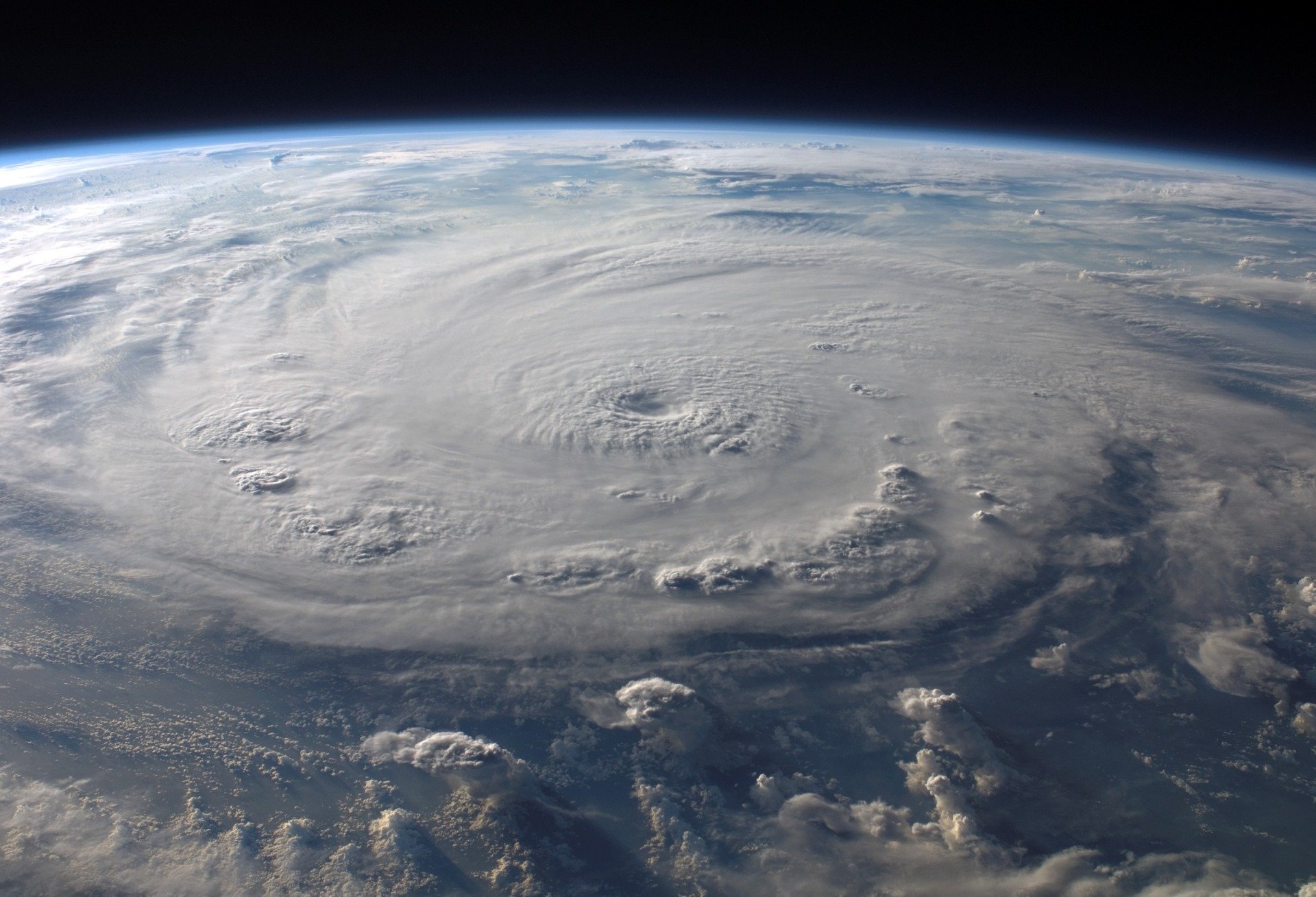
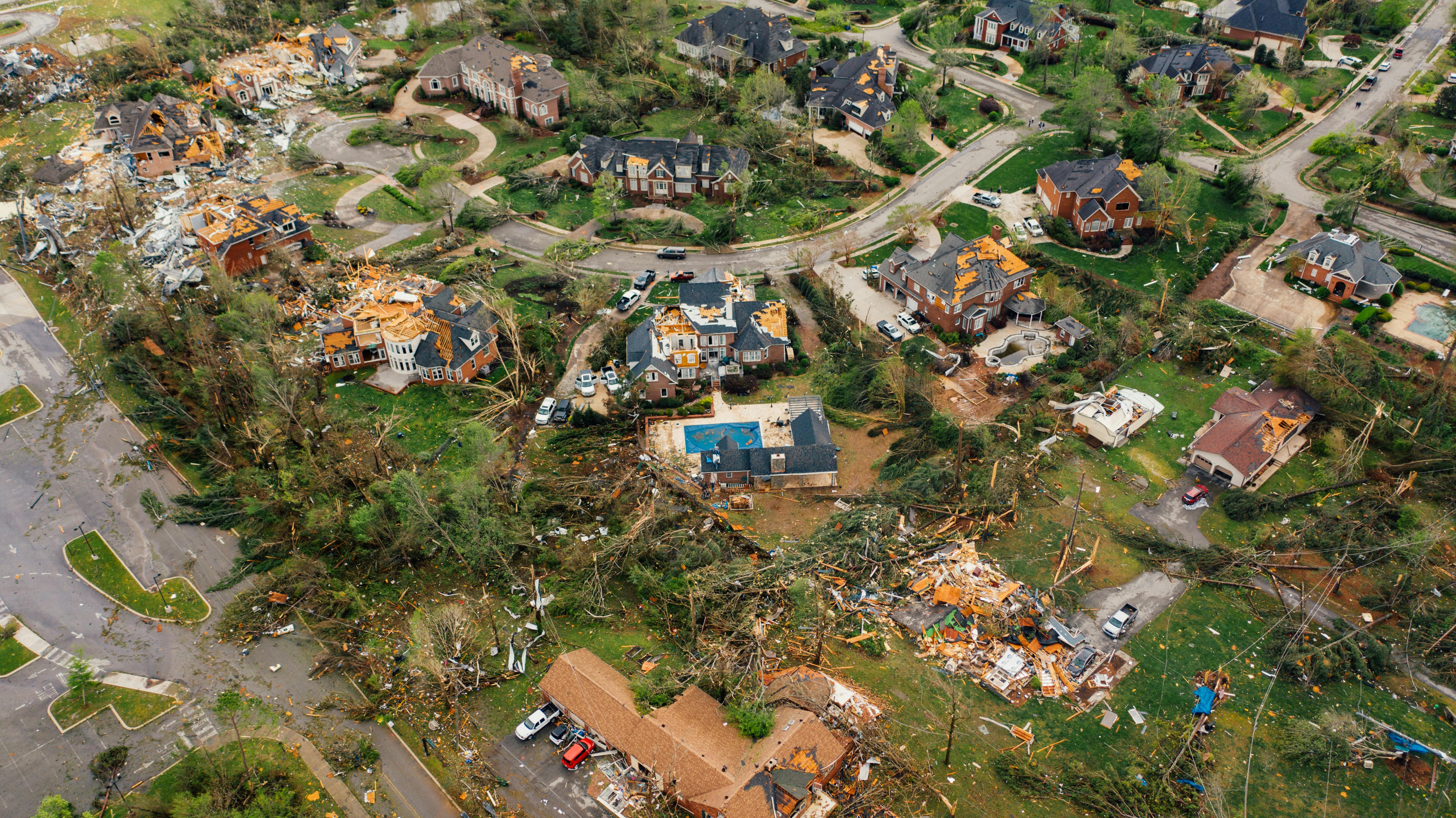
- Hurricane haul-out coverage: Reimburses the cost of hauling and storing your boat when a named storm threatens — a critical provision in Brevard County's six-month hurricane season.
Agreed Value vs. Actual Cash Value — It Matters More Than You Think
One of the most important decisions in a boat policy is how your boat is valued at the time of a total loss. There are two standard approaches:
Agreed Value
You and the insurer agree on the boat's value at the time the policy is written. If your boat is a total loss, you receive that full amount — no depreciation deducted. This is generally the better option for newer or higher-value boats, especially given the risk of a hurricane total loss in Florida.
Actual Cash Value (ACV)
The insurer pays what your boat was worth at the time of the loss, accounting for depreciation. Premiums are typically lower than agreed value policies, but your payout after a total loss may be significantly less than what it costs to replace the boat.
We'll walk you through both options and help you decide which makes sense for your vessel and how you use it.
Boating in Brevard County — What Your Policy Needs to Reflect
Local waterways and usage patterns affect what your marine policy should include. A few things worth knowing before you buy:
Navigational territory limits
Marine policies specify where your boat is covered — inland waterways only, coastal waters within a certain distance from shore, or offshore. If you run offshore out of Port Canaveral or fish the Atlantic, your policy needs to reflect that. A policy written for inland use only won't cover you once you're outside those limits.
Hurricane season provisions
Florida's hurricane season runs June 1 through November 30. Many marine policies include requirements or discounts tied to hurricane haul-out — storing your boat ashore or in a covered facility when a named storm threatens. We'll make sure you understand what your policy requires and what it covers during storm season.
Trailer coverage
If your boat is trailered, coverage for the trailer is typically separate from the watercraft itself. We'll make sure your trailer is included.
What Brevard County Boaters Say About Working With Us
André V. is a long-time Anthony Insurance Agency client who trusts us with his general liability, auto, umbrella, and boat insurance — and specifically mentions that we carry a wide portfolio of carriers.
"Anthony Insurance takes care of my General liability policy, auto insurance policy and umbrella policy... They virtually have solution with competitive price for any kind of assets, from boats to houses."
— André V.
We bring the same approach to marine coverage: multiple carriers, local knowledge, and a team that will explain your options in plain language before you sign anything.
Frequently Asked Questions About Boat Insurance in Florida
Is boat insurance required in Florida?
Florida does not require boat insurance by law, but many marinas and lenders require it as a condition of docking or financing. More practically, a single accident on the water — collision, injury, or property damage — can create significant financial liability. Most boaters in Brevard County carry coverage for that reason alone, regardless of any legal requirement.
Does homeowners insurance cover my boat?
Only partially, and usually not enough. Most homeowners policies cover small boats — typically under 25 horsepower or under a low dollar threshold — for a limited set of perils. Anything beyond those limits, including most fishing boats, pontoons, and larger vessels, requires a separate marine policy. Liability on the water is almost never covered by a homeowners policy.
What happens to my boat insurance during hurricane season?
Hurricane coverage is one of the most important provisions in a Florida marine policy. Most policies cover storm damage to your vessel, but the terms vary — particularly around agreed value vs. actual cash value for total losses, and whether your policy includes or requires hurricane haul-out. Some policies offer a premium reduction if you haul out during a named storm watch or warning. We'll review the hurricane provisions specifically when we compare carriers for you.
What is navigational territory and how does it affect my policy?
Navigational territory defines the geographic area where your policy provides coverage. Common designations include inland waters only, coastal waters within a certain distance from shore, or offshore up to a specified range. If you operate outside your policy's navigational territory — fishing the Atlantic beyond your covered range, for example — you may not be covered for a loss that occurs there. It's worth reviewing before you buy.
What's the difference between agreed value and actual cash value for boat insurance?
Agreed value pays the full insured amount for a total loss with no depreciation deducted. Actual cash value pays what the boat was worth at the time of the loss after depreciation. Agreed value typically costs more but provides significantly better protection after a major loss — important in a hurricane-prone state where total losses happen. We can show you the premium difference between both options for your specific vessel.
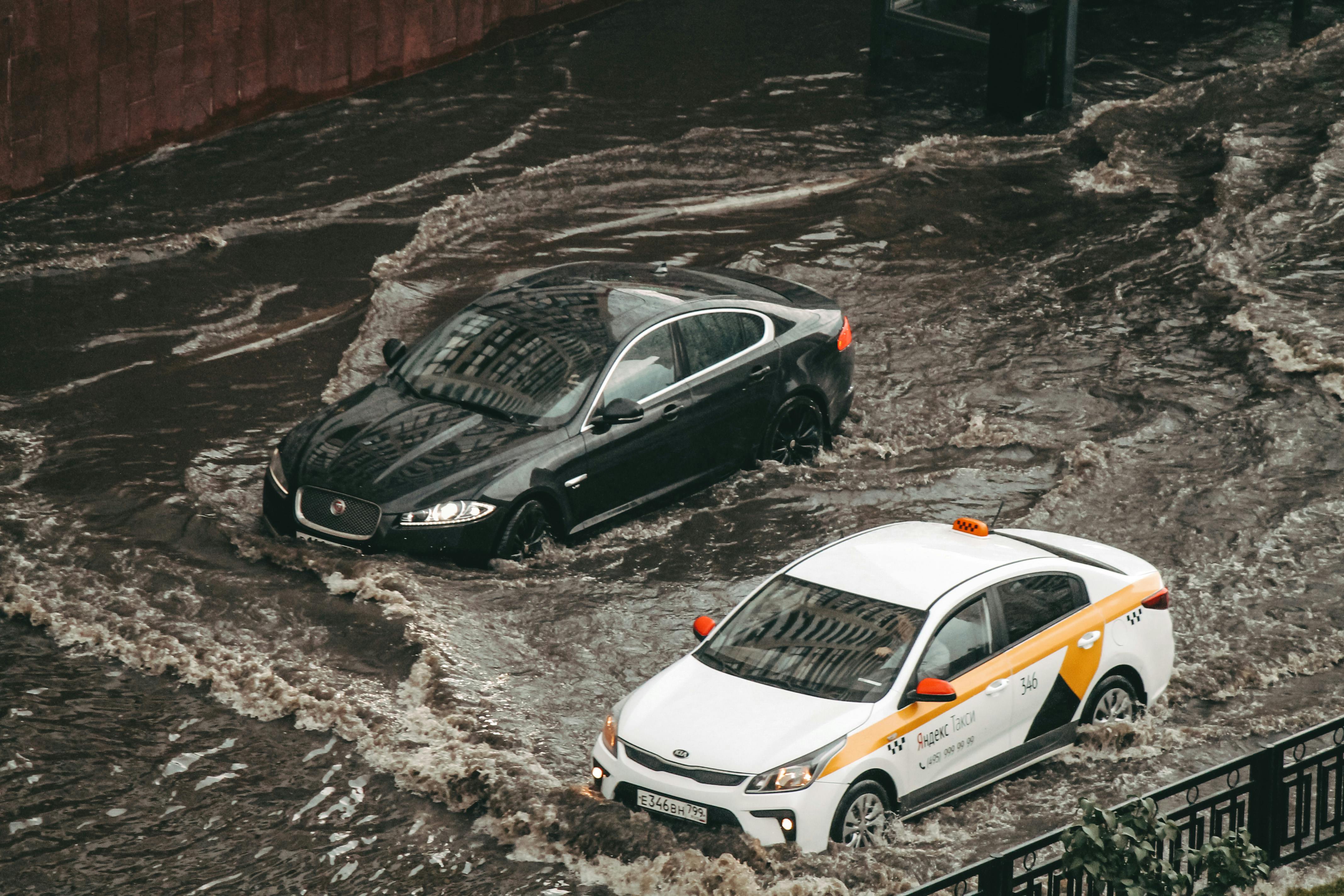
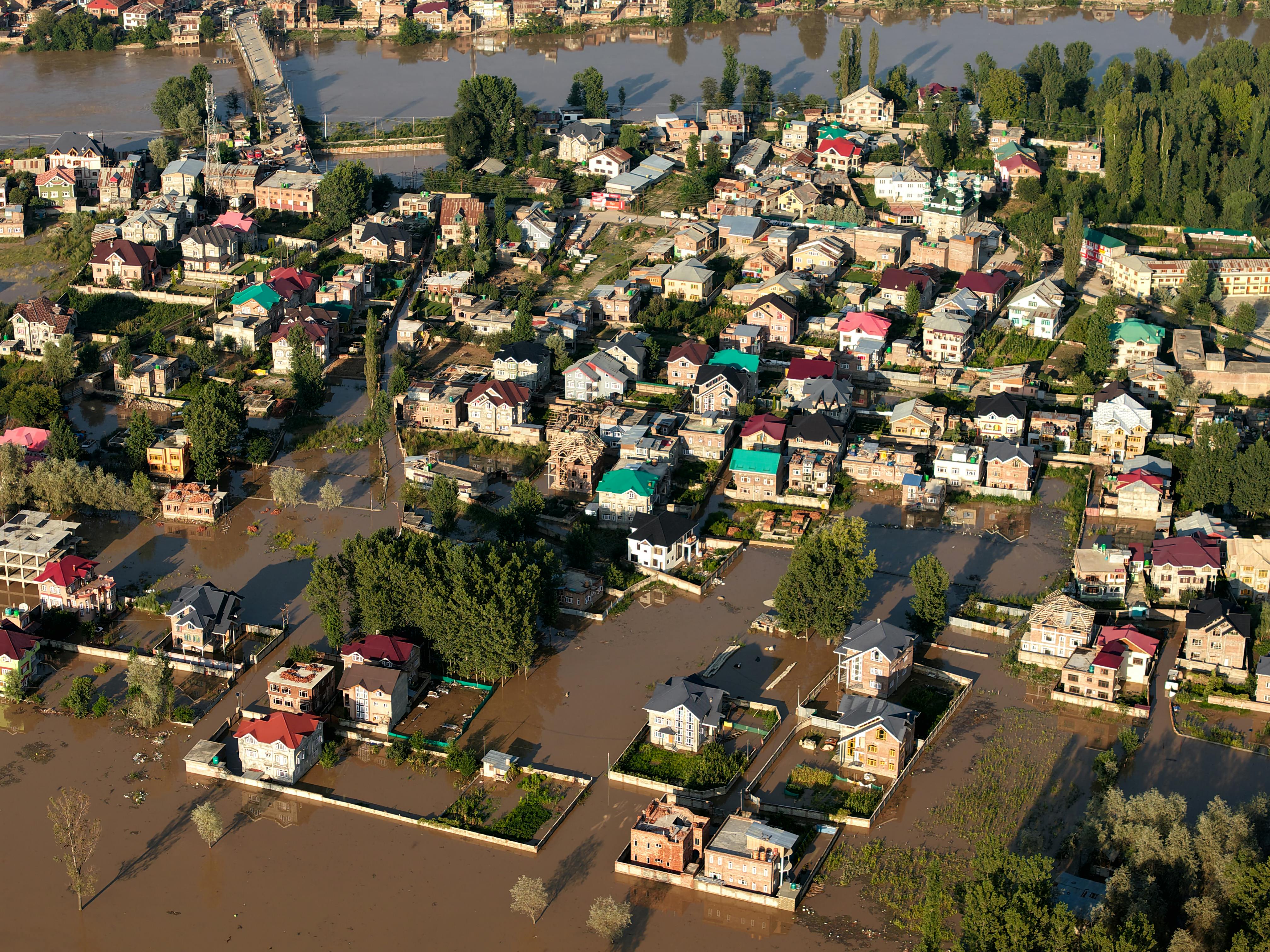
Does boat insurance cover flood damage?
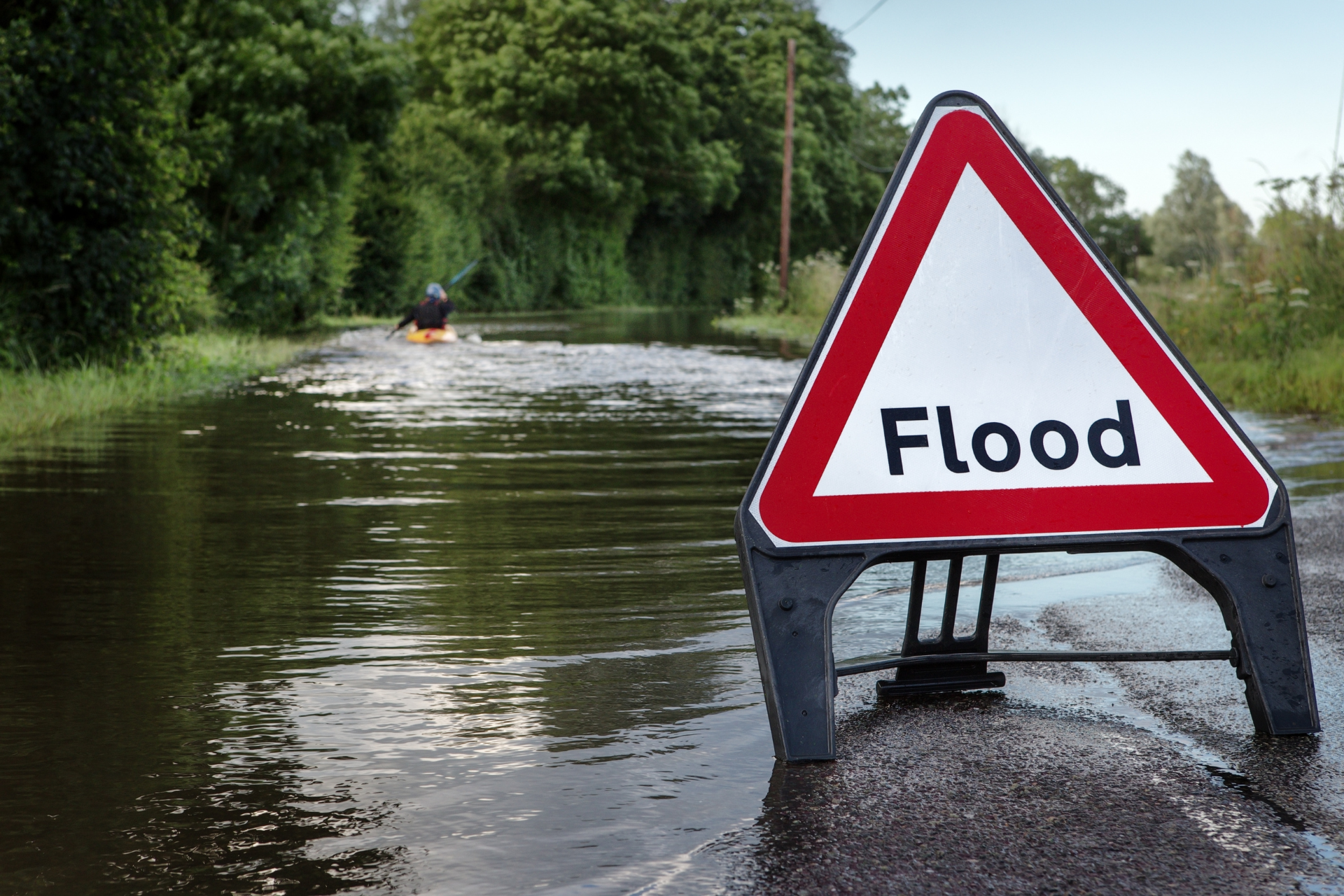
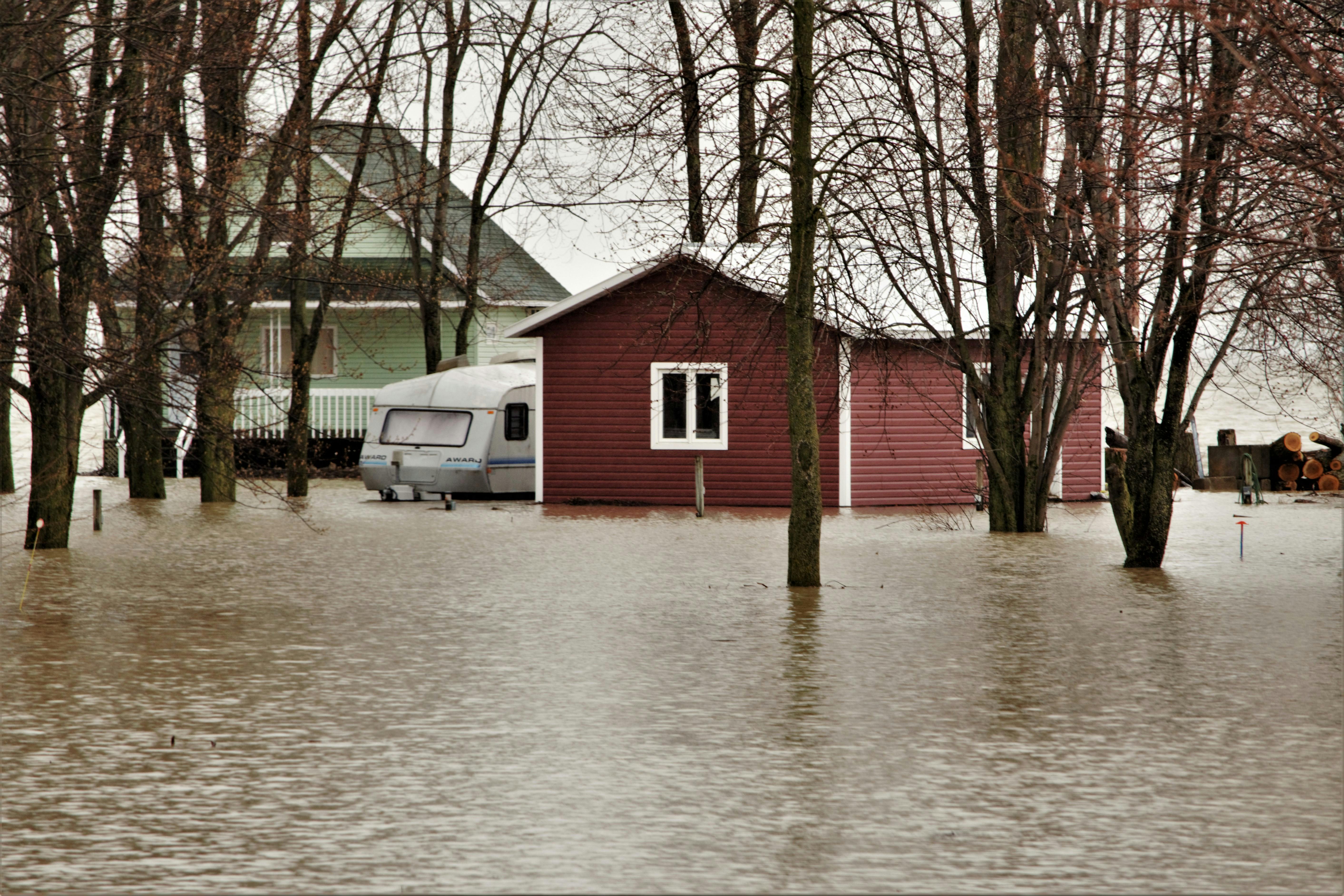
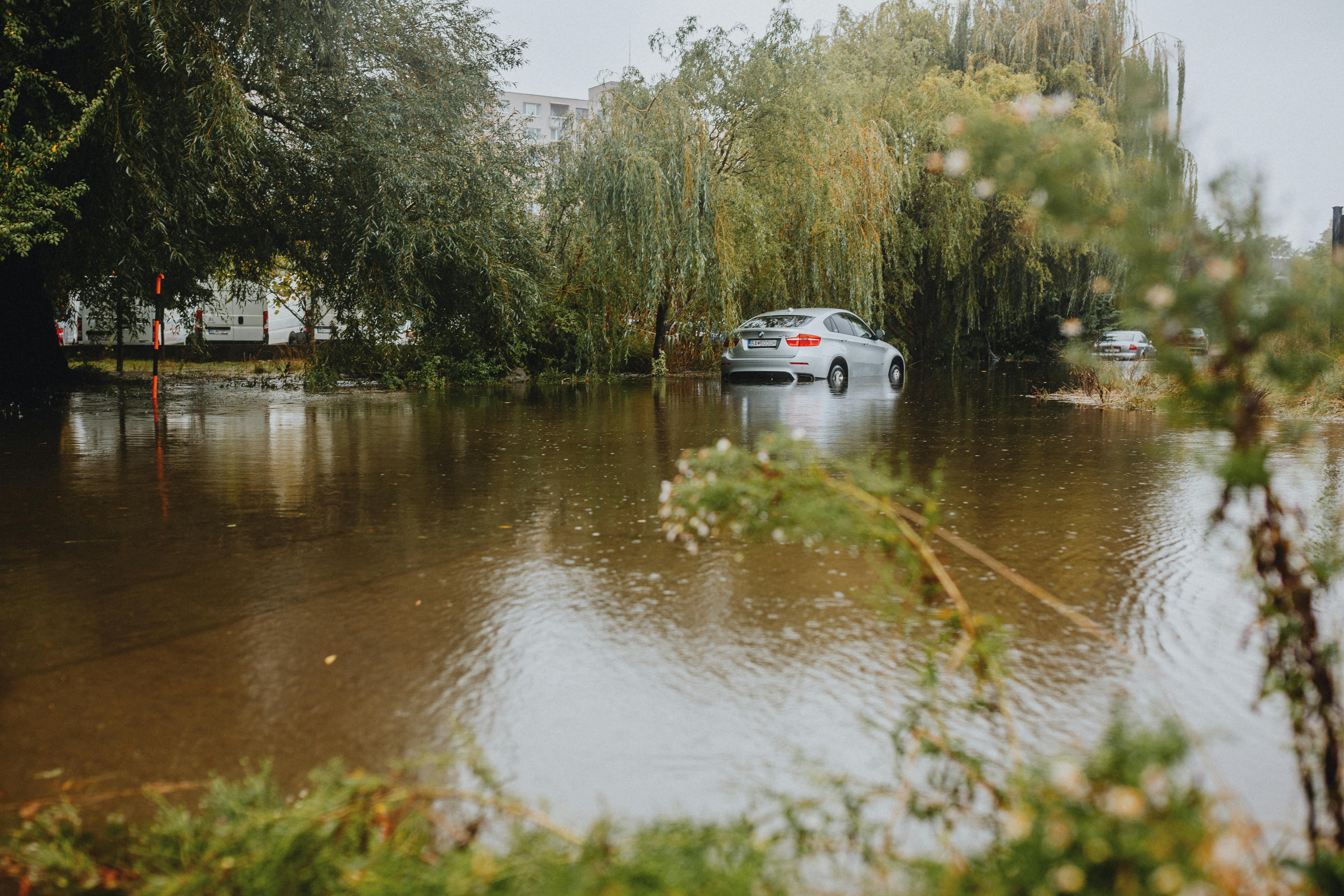
Marine policies cover physical damage to your boat from a wide range of perils, including storm surge and flooding that damages your vessel directly. Flood insurance, by contrast, covers your home and its contents — not your watercraft. If you're concerned about a boat stored on your property during a flood event, your marine policy is the relevant coverage to review.
Serving Boaters Across Brevard County
We write boat and watercraft policies for boaters throughout Brevard County — Melbourne,
Viera,
Cocoa,
Merritt Island,
Rockledge, and
Palm Bay. Whether you keep your boat at a marina, on a lift, or on a trailer at home, we'll make sure your coverage reflects how and where you use it.